


Description : The purpose of this course is to acquire knowledge and develop proficiency in caring for patients with medical surgical disorders in varieties of health care settings and at home.
Specific Objectives : At completion of the course the student is able to:
- Describe the causes, signs and symptoms, treatment and prevention of medical surgical conditions.
- Demonstrate skill in carrying out nursing techniques and procedures in keeping with scientific principles.
- Discuss nursing process and provide nursing care to patients with various medical surgical conditions.
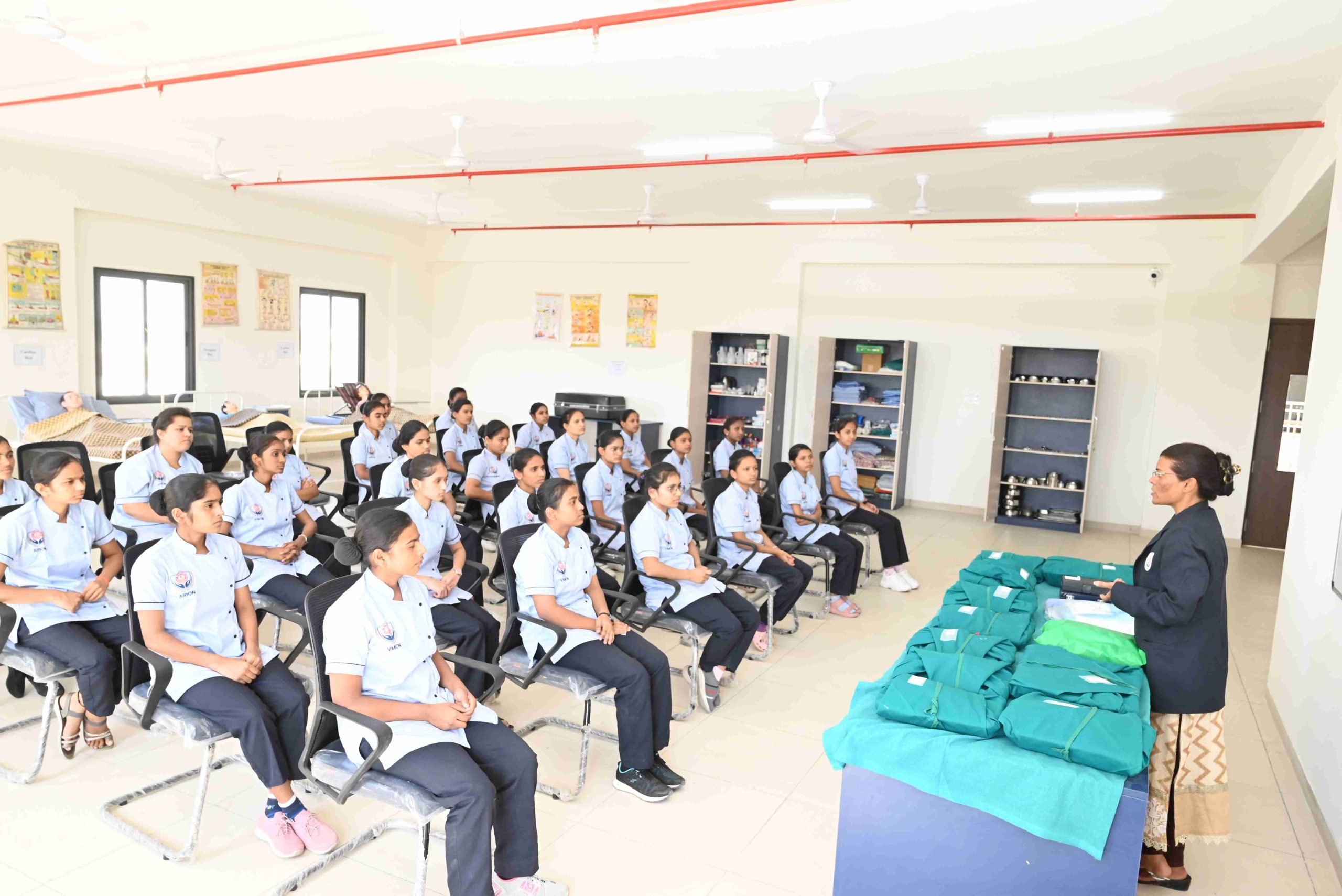
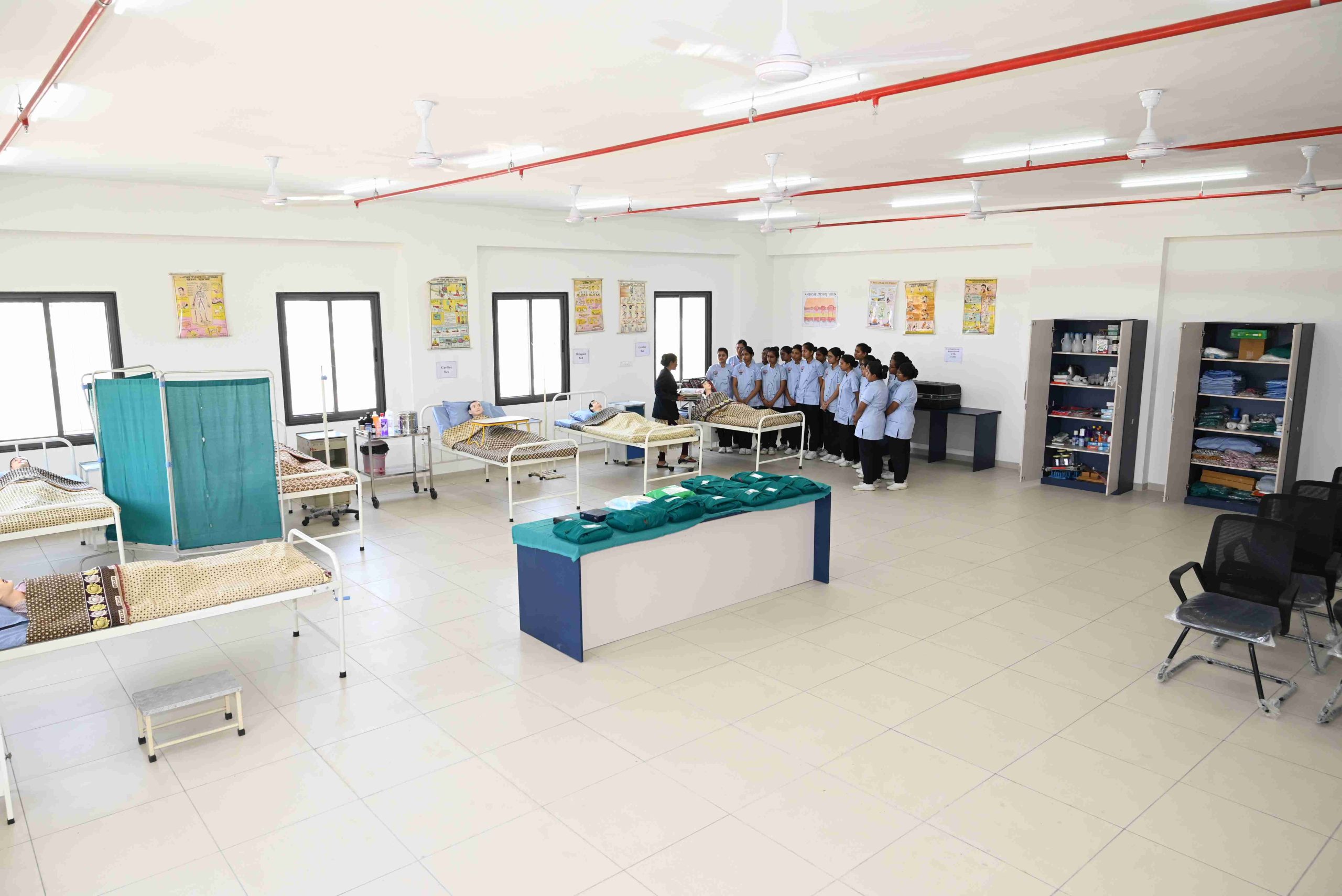
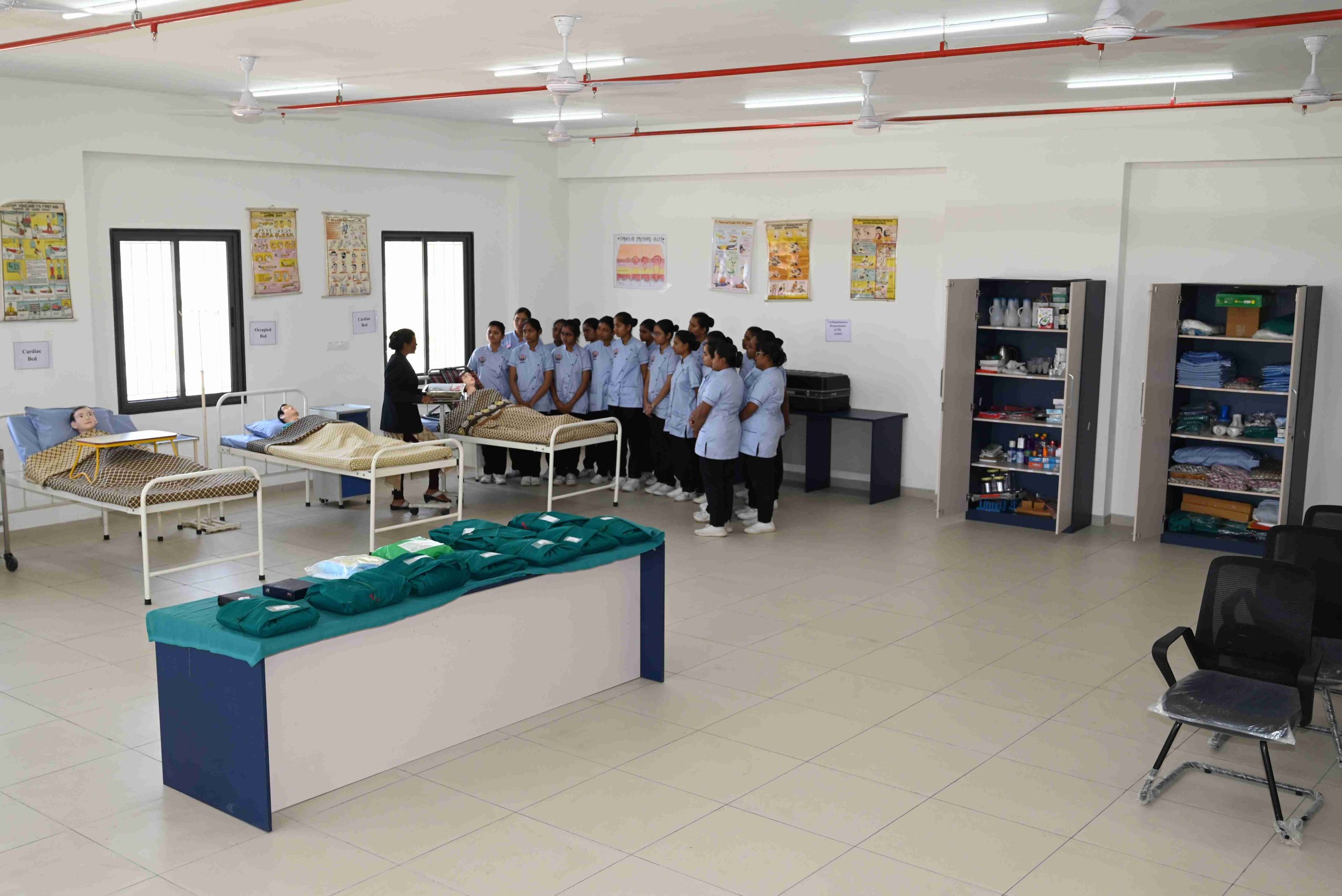
The Medical Surgical Nursing Department in a college provides education and training to aspiring nurses in the field of medical-surgical nursing.
- Curriculum: The department offers a comprehensive curriculum that covers various aspects of medical-surgical nursing. This includes theoretical knowledge, practical skills, and critical thinking abilities needed to provide care for patients with medical and surgical conditions.
- Clinical Training: Students in the department gain hands-on experience through clinical training in hospital settings. They work under the guidance of experienced faculty and healthcare professionals to develop clinical skills, assess patients, administer medications, and provide holistic care.
- Specializations: The department may offer specializations within medical-surgical nursing, allowing students to focus on specific areas of interest such as orthopedic nursing, cardiovascular nursing, neurosurgical nursing, or perioperative nursing.
- Advanced Technology: The department incorporates the latest advancements in healthcare technology into the curriculum. Students have access to simulation labs, where they can practice various procedures and enhance their critical thinking and decision-making skills.
- Research Opportunities: The department encourages students to engage in nursing research, promoting evidence-based practice. Students may have the opportunity to collaborate with faculty on research projects or participate in conferences and presentations to enhance their research skills.
- Interdisciplinary Collaboration: Medical-surgical nursing students have the opportunity to work collaboratively with students from other healthcare disciplines such as medicine, pharmacy, and physiotherapy. This fosters a multidisciplinary approach to patient care and enhances teamwork skills.
- Continuing Education: The department emphasizes the importance of lifelong learning and continuing education for nurses. It may offer professional development programs, workshops, and seminars to keep students updated with the latest advancements in medical-surgical nursing.
- Faculty Expertise: The department is staffed with experienced faculty members who have extensive clinical and academic backgrounds in medical-surgical nursing. They provide mentorship, guidance, and support to students throughout their educational journey.